Rainbarrow Farm
The UK’s first commercial biomethane project and first membrane plant in Europe.
Green Gas Solutions’ scope included:
- Advisory services.
- Design development.
- Project funding.
- Construction & commissioning.
- Pipeline construction.
- Maintenance services.
Project Details
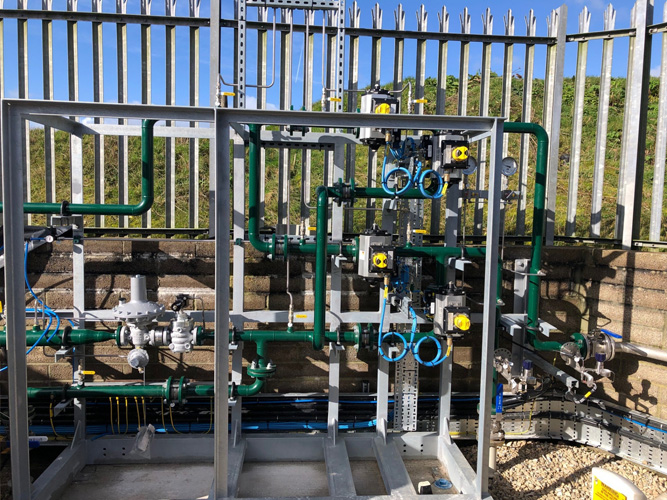
Rainbarrow Farm was the first commercial biomethane-to-grid facility installed in the UK. Our involvement in the 2012 project included the provision of funding, planning and design, installation of upgrader, grid entry unit and pipeline and commissioning of the plant. This was a groundbreaking project at the time, paving the way for commercial biomethane and membrane technology in the UK.
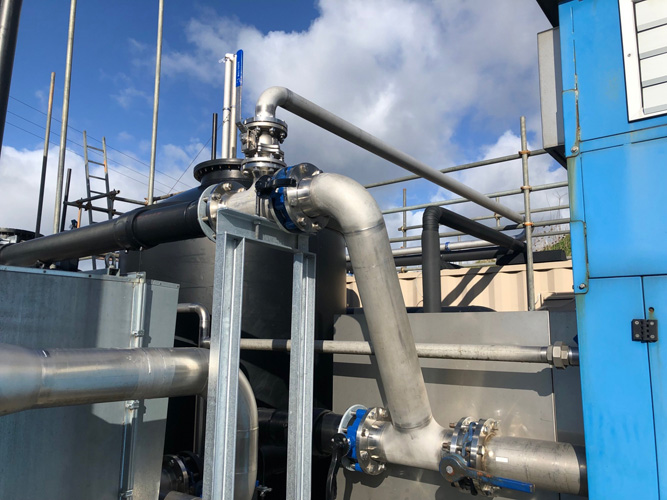
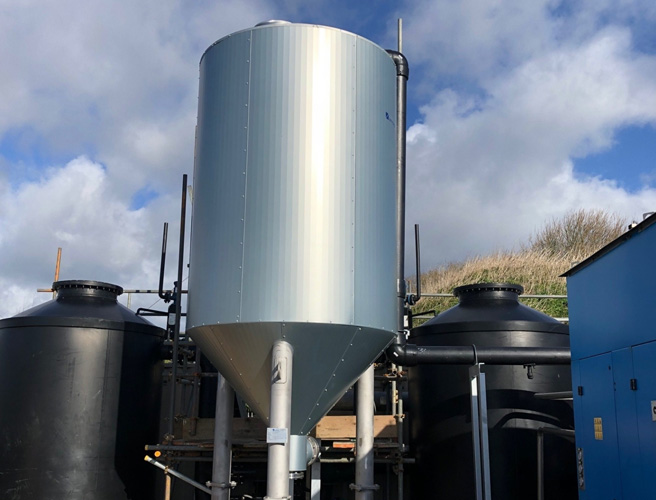
Following acquisition of the plant by JV Energen, it was decided the facilities’ production capacity would be increased by 50% and additional carbon capture equipment would be installed. We proposed that an additional (fully independent) biogas upgrader could be installed to work in parallel with the original unit.
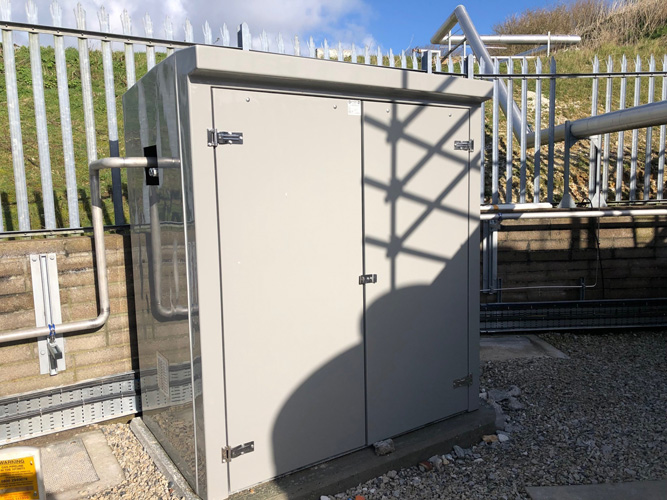
In order to overcome the challenges of continuing biomethane production safely and installing the additional membrane, pipework and cables SGN GGS were contracted to execute the expansion from design to delivery and commissioning. In 2020, we oversaw the design and installation of this capacity expansion and grid entry unit (GEU) modifications improvements, taking capacity from 400 scmh to 650 scmh to gird.
At the new injection rate, the plant can supply enough gas to heat 5,000 homes with a carbon equivalent saving of 11,000 tonnes per annum. Engie has recently taken ownership of the facility. We continue to provide a fully wrapped maintenance and fault response service and are considering options for a further phase of expansion.
Green Gas Solutions’ expertise ensured:
- Biomethane production could continue whilst the site underwent the expansion and upgrade.
- An innovative solution could be implemented to safely allow flow from one or both upgraders whilst satisfying the grid entry requirements.
- The capacity increase and CO2 capture interface could be achieved despite a limited compound size and the complexity associated with maintaining output during the upgrade works.